
The Role of Luck in Gambling
Luck has long been a debated topic within the gambling community, particularly in casino settings. Many players enter gaming establishments with the belief that their fortunes can change with just one roll of the dice or spin of the wheel. This perception stems from the notion that certain outcomes are often unpredictable, leading to significant wins or losses. In many games, the inherent randomness can give rise to streaks of good or bad luck that shape the overall gambling experience. Interestingly, some players are now exploring online casino nz options that claim to enhance their chances, while others recount stories of incredible wins that seem to defy the odds, reinforcing the belief in luck as a tangible force.
However, it is essential to recognize that gambling is not merely a game of luck. While luck certainly plays an integral role, especially in games of chance, skill and strategy can also significantly impact outcomes. For instance, poker involves a blend of skillful decision-making and psychological insights, while games like blackjack demand a thorough understanding of probabilities and strategies. Still, the sheer unpredictability of outcomes means that luck is an undeniable factor that every player must contend with during their gaming sessions. This duality is what makes casino games both thrilling and frustrating.
In essence, while skill can influence the odds in certain games, luck can tip the scales at any moment. A player might meticulously adhere to optimal strategies yet find themselves on the receiving end of a losing streak. This complex interplay of skill and luck contributes to the captivating nature of gambling, as players constantly chase the elusive thrill of winning against the odds. Ultimately, luck remains a powerful force within casinos that shapes the outcomes of many gaming experiences, making it a focal point for both casual and seasoned players alike, who often ponder whether luck or skill will prevail in their next game.
The Psychology of Luck in Casino Games
Understanding the psychology behind luck in casinos provides insights into how it affects players’ choices and behaviors. Many gamblers develop a personal belief in luck, often attributing their wins or losses to it. This belief can manifest in various ways, such as selecting lucky numbers, wearing specific items believed to bring fortune, or even choosing certain machines perceived to be “hot.” Such rituals can provide players with a sense of control over the unpredictable nature of gambling, which can be particularly reassuring and enhance the overall gaming experience. The comfort derived from such practices often leads players to feel more invested in their choices.
A fascinating aspect of this psychology is the gambler’s fallacy, where individuals believe that past outcomes will influence future results. For example, if a player observes several losses in a row, they may think that a win is “due” to occur soon. This misconception can lead to continued betting despite unfavorable odds, driven by the hope that luck will eventually turn in their favor. Understanding this psychological aspect is crucial for responsible gambling, as it can lead to riskier behaviors that may culminate in substantial financial losses. The allure of potential luck often clouds rational decision-making.
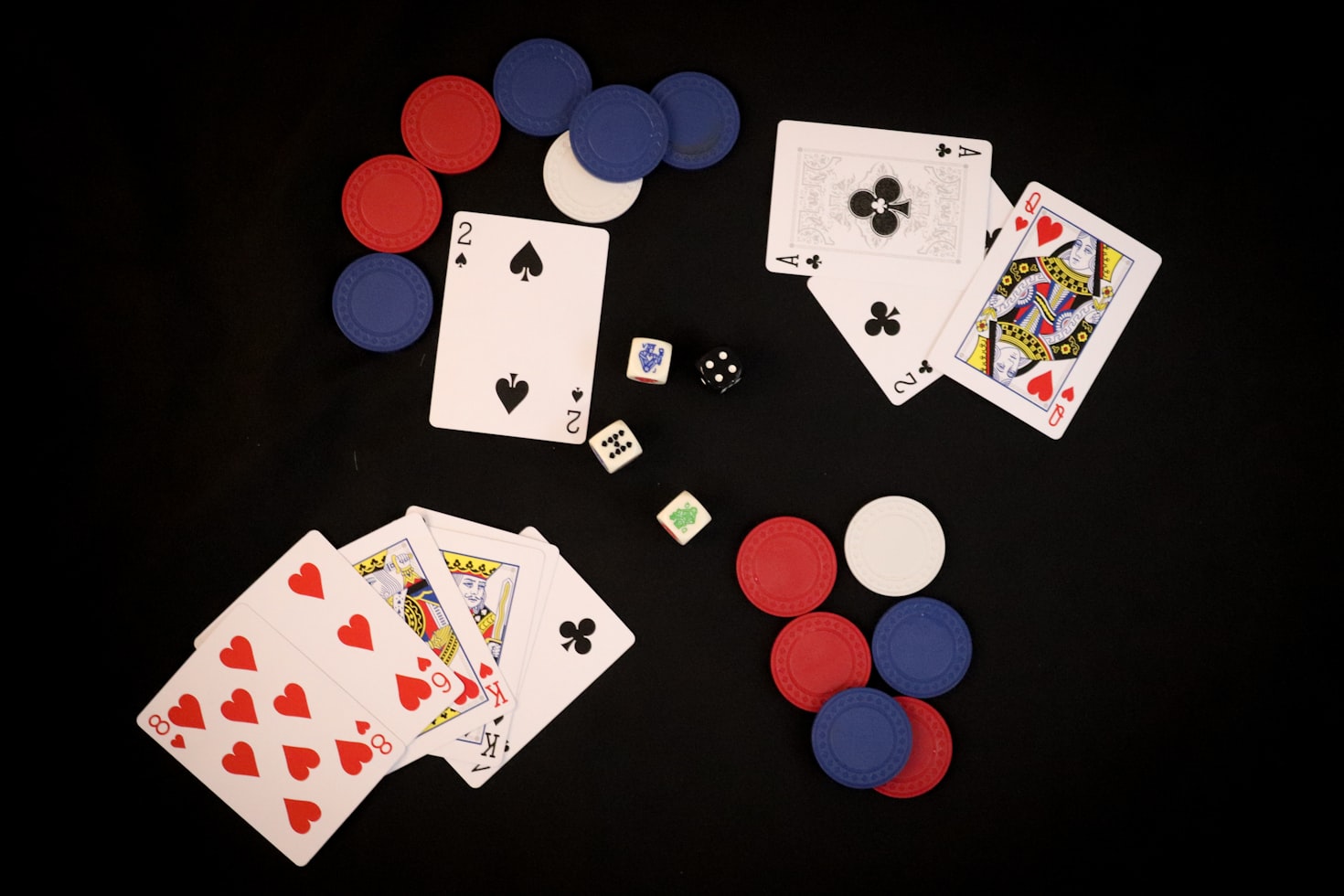
Moreover, casino environments are meticulously designed to enhance the perception of luck. Bright lights, enticing sounds, and celebratory announcements of winners create an atmosphere that reinforces the idea that winning is just around the corner. This ambiance can be intoxicating, drawing in players and encouraging them to take greater risks. The interplay of luck and the psychological factors at play can lead to both thrilling experiences and substantial losses, emphasizing the need for awareness and caution among players. Recognizing the psychological tricks employed by casinos can empower players to make more informed decisions during their gaming sessions.
Games of Chance vs. Games of Skill
In casinos, games can generally be categorized into two types: games of chance and games of skill. Games of chance, such as slot machines and roulette, rely predominantly on luck. In these situations, players have little to no control over the outcomes, making luck the primary factor in determining winnings. The thrill of spinning the reels or watching the ball bounce around the wheel is fueled by the sheer randomness of it all, making them a favorite among many players looking for immediate entertainment and excitement. The rapid pace and unpredictability of these games can create a captivating atmosphere for those seeking instant gratification.
Conversely, games of skill like poker and blackjack involve strategic decision-making. Players can utilize mathematical principles, probability, and psychological tactics to influence their chances of winning. While luck can still play a role, especially in short-term results, skilled players can minimize the disadvantage that luck presents over time. This distinction is essential for players aiming to improve their overall outcomes in the casino, as skillful strategies can lead to more consistent winnings even when luck is not on their side. Understanding the nuances of these games allows players to tailor their approach based on their strengths and preferences.
Ultimately, the relationship between luck and skill in casino games is complex and interwoven. While skilled players may find themselves at an advantage in long-term play, luck remains an unpredictable element that can swing either way. The excitement lies in the unpredictability and the balance between using skill to your advantage while acknowledging the role that luck plays in each game. Understanding this dynamic allows players to approach gambling with both strategy and an appreciation for the luck factor, enhancing their overall enjoyment and potential for success in the casino environment.
The Odds and House Edge
In the world of casinos, understanding the odds and the house edge is crucial for players looking to navigate the relationship between luck and winnings. The odds refer to the probability of a particular outcome occurring during a game, while the house edge represents the advantage that the casino holds over the players. While luck may influence immediate outcomes, the odds and house edge are predicated on mathematical calculations that demonstrate how the casino consistently maintains profitability over time. Recognizing these concepts can help players make informed choices about where and how to wager their money.
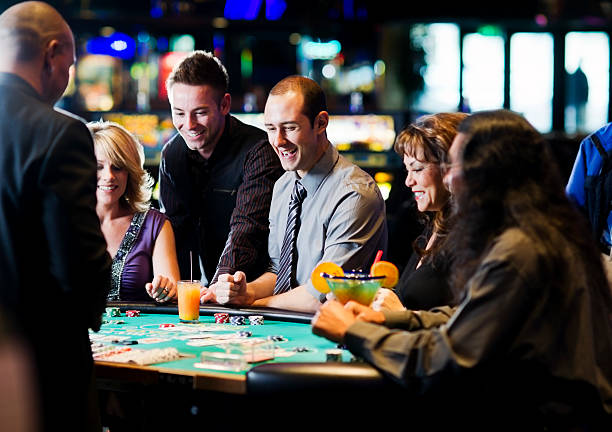
For instance, in games like blackjack, players who use optimal strategies can lower the house edge, thereby increasing their chances of winning in the long run. Nevertheless, this doesn’t eliminate the randomness of luck that can still affect individual hands or rounds. Consequently, while a player may enjoy a temporary winning streak due to luck, the house edge acts as a reminder that, over time, the casino is more likely to come out ahead. This is a crucial aspect that every player should consider to maintain realistic expectations during their gaming experience, especially when assessing the potential for long-term success.
Understanding these concepts not only helps players make informed decisions but also emphasizes the importance of responsible gambling. By acknowledging the role of luck in the short term, players can keep themselves grounded in reality as they navigate their gaming experiences. Recognizing that while they may experience sporadic wins, the house edge ultimately favors the casino allows them to approach gambling with a more balanced mindset and realistic expectations about their potential for winnings. This awareness can help mitigate the emotional highs and lows that come with gambling.
Final Thoughts on Luck and Casino Winnings
As we conclude our exploration of luck’s role in casino winnings, it becomes evident that this elusive factor is intertwined with various aspects of gambling. While skill and strategy certainly contribute to overall success, luck remains a persistent and unpredictable force that can dramatically alter outcomes at any moment. Players must understand and embrace this interplay to enhance their gaming experiences while maintaining a healthy perspective on gambling and its inherent risks. The dual nature of luck and skill is what makes each gaming session unique and intriguing.
The excitement brought by luck can lead to thrilling highs and devastating lows, highlighting why many individuals are drawn to casinos. However, an awareness of the balance between luck and skill can empower players to make thoughtful decisions, fostering responsible gambling habits. Ultimately, recognizing that luck is merely one piece of the puzzle enables players to enjoy casino games more fully, regardless of the outcomes they experience on the gaming floor. This balanced approach can lead to a more satisfying and sustainable gambling experience.
In summary, while luck is a significant factor in the highs and lows of gambling at casinos, players can enhance their experiences by understanding the underlying principles that govern games. Whether one relies on luck, skill, or a combination of both, the journey through the casino floor is as much about the experience as it is about the winnings. Embrace the unpredictability, enjoy the thrill, and remember that each spin of the wheel or shuffle of the cards brings with it a unique opportunity borne of chance and strategy combined. This holistic understanding of luck and its role in gambling can lead to a more enriching experience.